
Location And Receiving Review in Washington
Bring your project details together before considering a cabinet purchase.
Send my cabinet inquiry
Or call (562) 203-3232. Calls only, we do not receive text messages.
Washington cabinet inquiries should begin with an exact address rather than an inferred neighborhood boundary. District Cabinet Edit provides independent local guides for Petworth, Southwest and Congress Heights, each connected to a distinct purchasing question. Use the planning context to identify the right verification step, then describe the actual room, goods and receiving responsibility.
- Independent buying guidance
- Product inquiries
- Seller availability confirmed separately
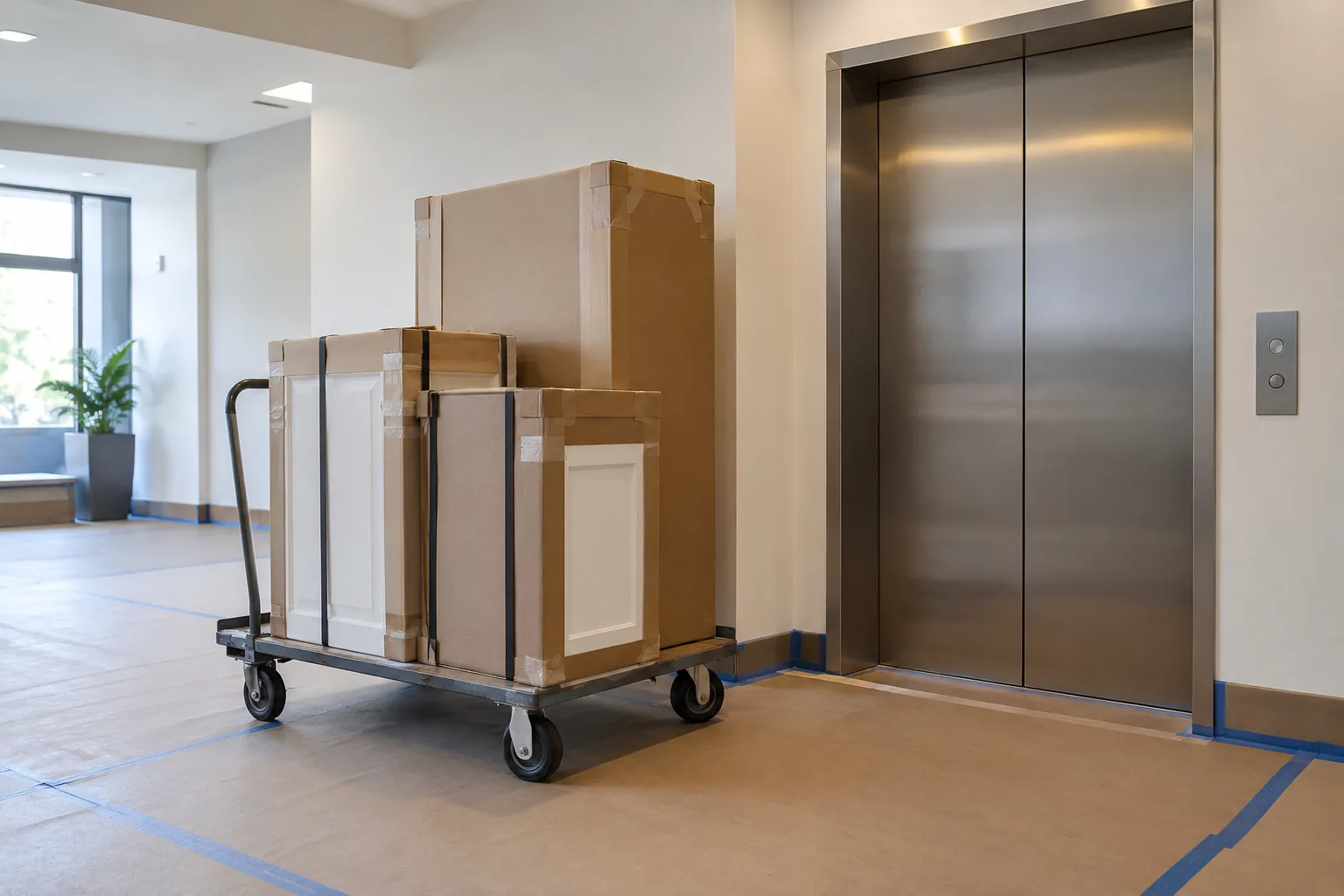
Project location changes the buying questions
A guide name does not establish seller coverage or a property rule. Submitted form details are retained for owner review, without automatic seller forwarding or a guaranteed response. The pages help organize an inquiry in the District of Columbia; actual address labels, building conditions and purchase commitments require their responsible sources and parties.
About District Cabinet Edit
Know who handles each part
Independent cabinet buying information and quote-request service. We do not manufacture, stock or install cabinets. A referral, supplier response, appointment or purchase is not guaranteed. Product availability, delivery and installation must be confirmed directly with the seller or separately engaged contractor.
Local buying information
Local buying guides
Verify address labels separately from the product request
The Office of Planning's Mapping Services page says DC does not maintain official neighborhood boundaries and points to current ward lookup for an address-specific answer. This is the narrow verified source context behind the local guides.
The practical buying inference is to use the actual address and a current lookup when a ward label matters. Neighborhood names can orient the conversation without determining jurisdictional labeling, product fit or receiving terms. District of Columbia remains the territorial context.
Give the project its own reference and identify the room or unit as necessary. Separate contact and receiving addresses when they differ. A hypothetical buyer coordinating purchases for two addresses should maintain distinct room and order records rather than assign both the same assumptions from a neighborhood name. Exact information lets the appropriate property source answer its question while the seller evaluates the goods and destination it is actually being offered.
Petworth: distinguish the named corridor from an address lookup
The Office of Planning describes the Georgia Avenue-Petworth corridor plan as running from Decatur Street in Ward 4 to Euclid Street in Ward 1, with Council approval in 2006. The verified observation concerns the named corridor's stated geography and plan history.
The practical buying inference in the Petworth guide is to verify the exact address and current ward instead of deriving either from Petworth alone. The corridor spans stated wards and the District has no official neighborhood boundaries. It does not classify the cabinets or establish acceptance by a seller.
For a purchasing record, keep locality context beside a precise room specification. A hypothetical buyer may use Petworth to describe the project while providing an actual address for verification. Then record unit needs and current measurements independently. That turns a broad label into an accurate inquiry without pretending that one planning geography supplies every property or commercial answer.

Southwest: state the building and receiver that actually apply
DC Council approved the Southwest Neighborhood Plan in 2015. The Office of Planning also places Southwest Waterfront in Ward 6 and describes modern high-rises and townhouses at area scale. Those are verified planning observations, not a description of every inquiry address.
The practical buying inference behind the Southwest guide is to state the actual building context and responsible receiving contact before comparing handoffs. Do not assign a building form or access rule from the neighborhood source.
If the real property has a manager or owner administering receipt or storage, ask that contact for its conditions. A hypothetical buyer in such a property needs those answers and actual package information. Another property may involve different people and arrangements. Keep the seller's offered handoff separate from what happens beyond it. The guide makes the area range useful by directing the buyer toward specific property facts instead of assuming one arrangement fits all.
Congress Heights: connect room needs to the actual property record
The Congress Heights Small Area Plan was approved by DC Council in 2022 to guide public, private-sector and community efforts. The Office of Planning places Congress Heights in Ward 8 and describes garden apartments and single-family bungalows at area scale.
The practical buying inference for the Congress Heights guide is to identify the actual room, property contact and receiving route. The listed forms are neighborhood context, not a classification of your address. Cabinet quantities and fit still follow from the room and offered products.
A hypothetical replacement inquiry can explain which units remain and which storage functions should change. It does not need to imitate an imagined neighborhood-typical kitchen. Gather checked room inputs and actual appliance information, and identify who approves final dimensions. The local source frames a verification question while the project record establishes what the buyer is considering. No plan history promises a seller, product line or delivery arrangement.
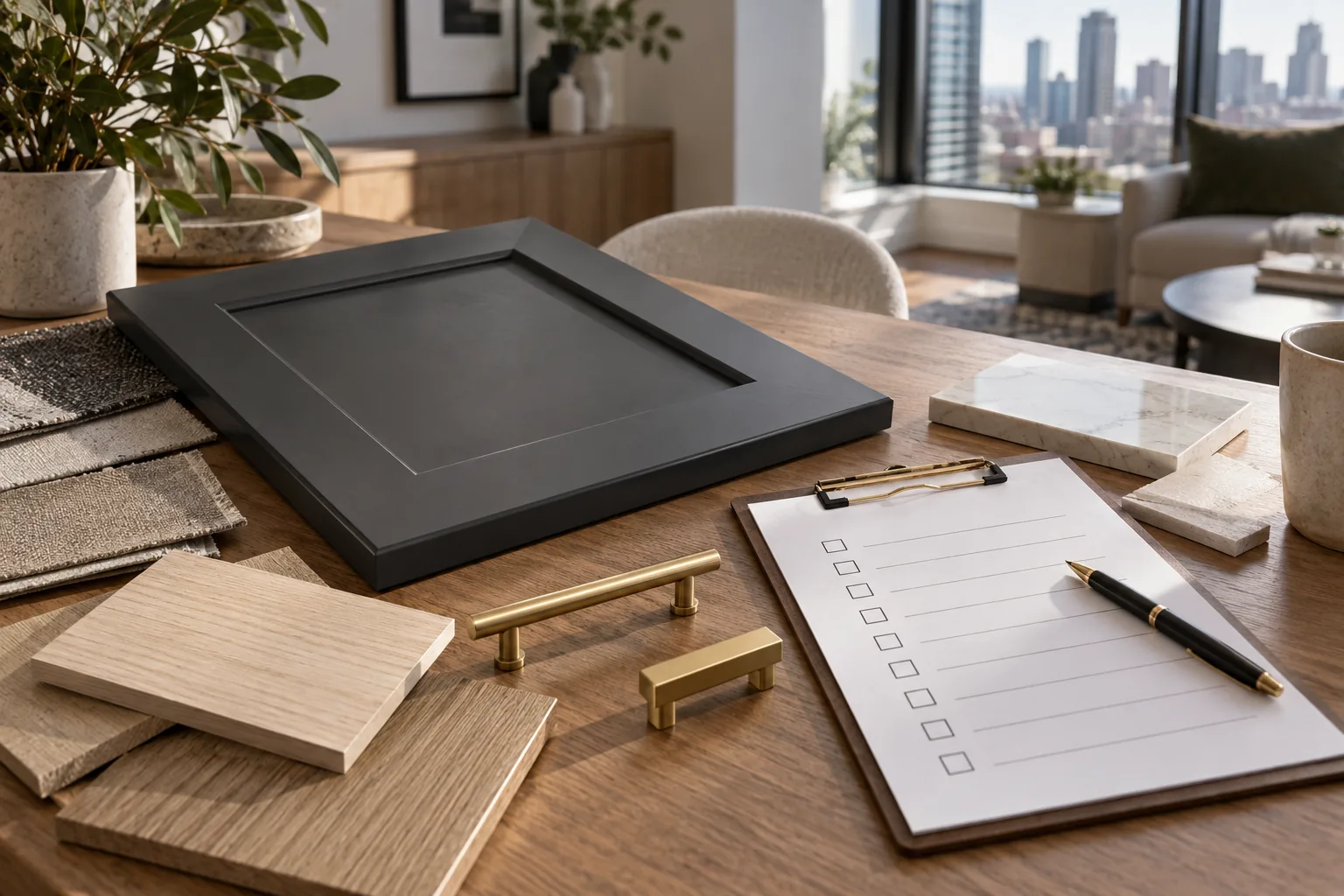
Compare price on actual goods and destination assumptions
Use a cabinet schedule with quantities, box configurations, finish and accessories. Keep panels, trim and any relevant vanity components visible. A locality heading cannot establish the product scope behind a total.
Freight, pickup, carrying, assembly and storage need explicit entries where applicable. Identify the destination and handoff each charge prices. External labor for installation or other work belongs to its provider agreement. Ask for clarification when terms depend on a property condition not yet checked.
The FTC recommends written work estimates naming materials, scope and price, useful for external comparisons. Early amounts can change; the final written quote should establish the actual offered price and inclusions. Leave unanswered figures unknown. A hypothetical lower freight amount may cover a different handoff, so reconcile the responsibility as well as the money. Property contact information, accepted goods and commercial terms should describe one arrangement before the buyer commits.
Keep fit, approval and receiving documents connected
Gather measured room information and retained appliance dimensions, as supported by the IKEA US planning guide. Label input sources and provisional values. This site does not field measure or approve an order arrangement.
Identify the purchaser, final fit approver and receiver. Date the drawing and product list and ask proposals to refer to their current version. Obtain actual package information and seller discrepancy instructions for the accepted goods.
For an initial inquiry, provide the address, locality reference, room, intended products and next unanswered decision. Explain property contacts and separate receiving destinations if relevant. Before purchase, reconcile final inputs, authorized schedule and quote. If an address or product changes, seek the affected new review rather than treating earlier terms as universal. The local guide's practical value is a more precise question trail, with each answer supplied by its proper source instead of an assumption attached to a place name.
Illustrative product choices
Illustrative product visualizations, not completed work, local properties or supplier facilities.
Questions
Coverage questions
Does a DC neighborhood label define an official boundary?
The Office of Planning says no official neighborhood boundaries are maintained and directs users to current ward lookup. Use an exact address when that identification matters. The label can orient a request without establishing fit, property conditions or seller territory.
Why does the Petworth corridor source mention two wards?
Its stated geography runs between Decatur Street in Ward 4 and Euclid Street in Ward 1. Treat that as corridor-plan context and verify the actual address/current ward separately. Do not infer an individual property's label from Petworth alone.
Can Southwest or Congress Heights sources establish my building type?
Their listed forms describe areas, not every property. State the actual building and responsible contact in your inquiry. Obtain route, storage and approval information for that address rather than projecting a neighborhood description onto it.
What belongs in the record when products are received elsewhere?
Label the receiving address separately from the room and correspondence addresses. Identify who accepts and later moves the goods, then obtain seller acceptance and actual handoff terms. A locality guide does not commit a carrier or property to that arrangement.
Talk to us about your project
Describe the purchase and project ZIP in Washington. Supplier acceptance and any referral are confirmed separately; no visit or quote is booked by this form.
Calls only, we do not receive text messages.