
Petworth · Congress Heights
Southwest Cabinet Quote Preparation
Bring your project details together before considering a cabinet purchase.
Send my cabinet inquiry
Or call (562) 203-3232. Calls only, we do not receive text messages.
A cabinet purchase described as Southwest should state the building and receiving arrangement that actually apply to the address. District Cabinet Edit provides independent guidance for gathering that information alongside the product list. Use area planning context to frame questions, while the real property contact and seller evaluate the specific room and proposed handoff.
- Independent buying guidance
- Product inquiries
- Seller availability confirmed separately
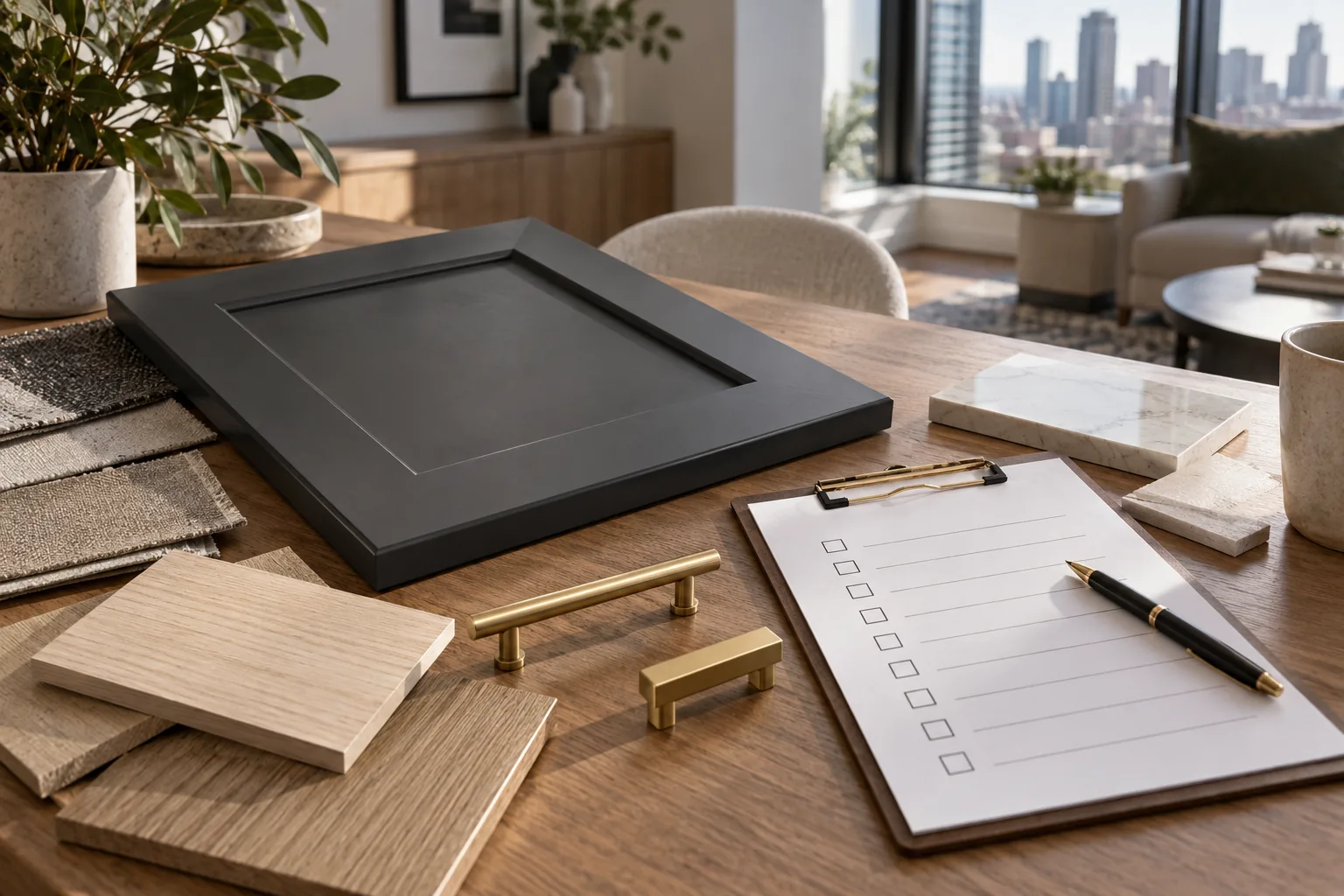
Cabinet purchase preparation in Southwest
The neighborhood sources describe a range of building forms rather than one uniform condition. Form details are recorded for owner review, without automatic seller forwarding or a guaranteed response. An inquiry can explain unresolved property and purchase questions honestly; actual terms and approvals need their responsible parties before ordering.
About District Cabinet Edit
Know who handles each part
Independent cabinet buying information and quote-request service. We do not manufacture, stock or install cabinets. A referral, supplier response, appointment or purchase is not guaranteed. Product availability, delivery and installation must be confirmed directly with the seller or separately engaged contractor.
Use the Southwest source as area context rather than a property profile
DC Council approved the Southwest Neighborhood Plan in 2015 as a preservation and growth framework. The Office of Planning's Ward 6 page places Southwest Waterfront in Ward 6 and describes modern high-rises and townhouses at area scale. These are the narrow observations supported by the supplied research.
The practical buying inference is to identify the actual property form and responsible receiving contact before comparing seller handoffs. Neither source assigns every inquiry address one building type or one set of rules.
Provide the exact address and use current address-specific ward lookup when relevant, as directed by the Office of Planning's mapping service. DC has no official neighborhood boundaries. Local context can explain why the building question matters without answering it for your project. The product schedule, property information and commercial proposal should each describe their own subject rather than treating a plan label as an inspection or service territory.
Ask the real property contact about relevant conditions
If an owner, manager or another contact administers access, storage or project arrangements, identify that actual person and role. Ask what conditions apply to the proposed purchase. Do not assume loading, elevator or condominium rules from the neighborhood name.
Record the answer's source and status. A condition still awaiting measurement or confirmation should remain unresolved. Provide the relevant information to the people responsible for receiving or moving the goods.
Consider a hypothetical Southwest buyer in a managed property where the receiving arrangement needs discussion. That example is a possible project, not a claim about all local buildings. The contact may supply property information while another person approves products. Keep those roles distinct. A clear request names the subject each person can answer instead of asking one broad contact to guarantee room fit, seller acceptance and every task beyond the handoff.
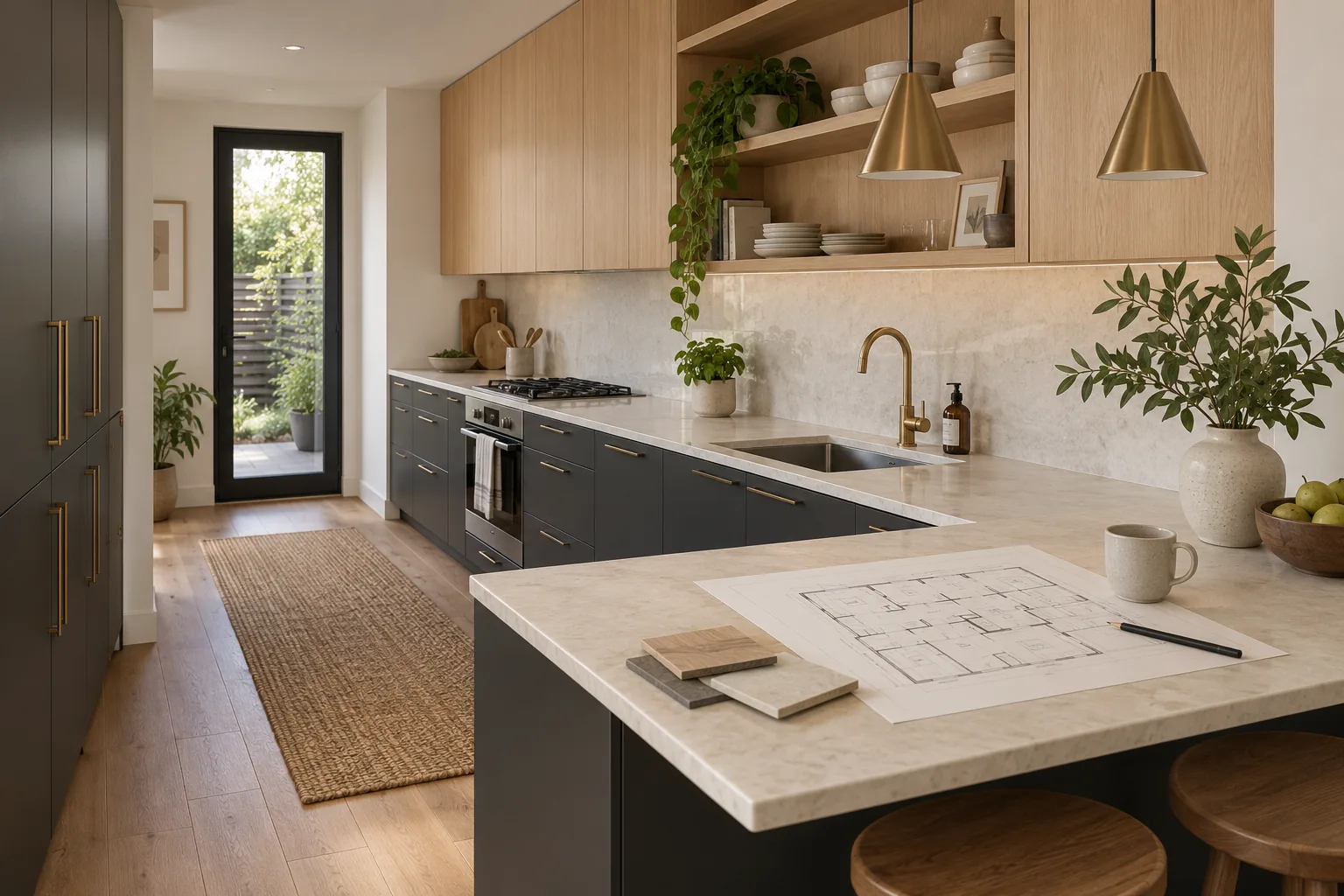
Prepare room inputs independently of the building description
Use a labeled sketch and collect actual room measurements, openings and observed fixed features. Identify retained appliances and available model specifications. The IKEA US planning guide supports gathering room and retained appliance dimensions.
Record sources and provisional values. A building form does not tell you the usable kitchen arrangement or exact cabinet sizes. If another part of the project changes the room, identify which dimensions depend on its final condition.
For the hypothetical buyer, the property contact's access answer does not replace a fit review. List intended units with quantities, configurations, finish and related panels, fillers or accessories. Assign final dimension and compatibility checks under actual seller and professional agreements. This site does not field measure or approve a design. The room record should make clear what is checked and what the buyer is merely considering, even when the broader building information is already known.
Connect actual packages to a named receiver and onward movement
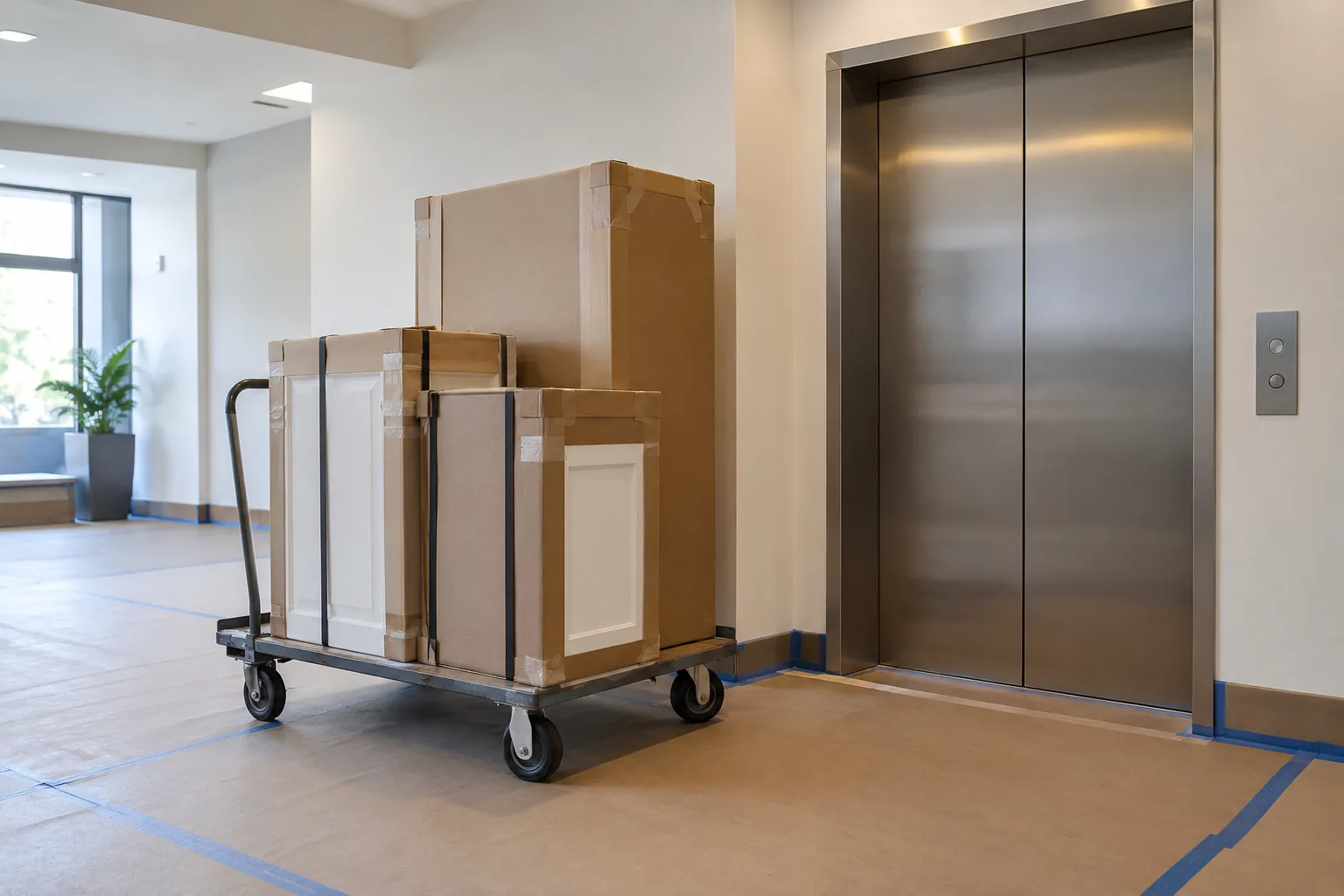
Request package counts, dimensions and applicable instructions for the proposed goods. A finished cabinet dimension and a package dimension answer different questions. Have responsible parties compare actual data with the property route and storage conditions.
Ask the seller where its offered handoff ends. Identify who would move products beyond that point and under what separate arrangement. Delivery should not silently mean carrying to the room or holding goods until the project is ready.
In the hypothetical managed-property purchase, a receiver may need current order documents and the actual property answer before the handoff. Obtain seller-specific checks and discrepancy reporting instructions. If another person assembles later, establish how a component question reaches the purchaser. The guide does not promise a universal reporting window or remedy. A useful receiving record joins exact goods, real conditions and named responsibilities without assigning all of them to a general neighborhood description.
Compare price with property and handling assumptions stated
Trace product totals to quantities, cabinet boxes, configuration, finish and accessories. Keep panels, trim and alternates visible. Identify whether two offers describe the same goods before judging their amounts.
Freight, pickup, carrying, assembly and storage require explicit entries when relevant. Ask which destination and handoff each covers. External labor for removal, installation or related work needs its actual provider scope. A property condition may affect a proposed task without establishing that anyone has agreed to perform it.
The FTC recommends written estimates naming materials, scope and price for home improvement work, useful for comparing outside arrangements. Initial amounts can change; the final written quote should establish the actual offered price and inclusions. For the hypothetical buyer, a missing onward-movement charge remains unknown until clarified. Reconcile that responsibility as well as the cabinet list before treating a lower visible amount as a lower cost for the complete purchase.
Give the inquiry a current project and approval record
State the address, actual building context, room, desired goods and next unanswered question. Identify the property contact and receiver where known. Use locality context as orientation while keeping address and room information precise.
Date the drawing and schedule and ask proposals to identify their version. If a property or product condition changes, list affected reviews and terms. Preserve earlier records so a scope change is understandable.
Before purchasing, reconcile checked inputs, authorized products, written quote and actual handoff. Name purchaser, final fit approver and reporting contact. The form record supports an initial discussion; actual agreements establish commitments. A Southwest inquiry can be useful before every condition is resolved if it identifies where the answer must come from. The final decision should rest on the property's actual information and accepted goods, rather than the assumption that every building in an area follows the same purchase or receiving process.
Inquiry process
From buying questions to a possible supplier quote
Sending an inquiry does not reserve products or book work.
Describe the purchase
Include project ZIP, room, approximate cabinet list and preferred timing.
Clarify requirements
Identify assembly, access, measurements and any separately arranged labor.
Confirm referral availability
An inquiry can be referred only if a suitable seller accepts the location and product request.
Review seller terms
Confirm the final drawing, itemized price, payment, delivery and return terms directly before ordering.
Illustrative product choices
Illustrative product visualizations, not completed work, local properties or supplier facilities.
Local buying information
Other local buying guides
Questions
Southwest Questions
Do the Southwest sources establish that my property is a high-rise?
No. The described forms are area context. State the actual property in the inquiry and obtain its information from the responsible contact. A neighborhood plan cannot classify every address or inspect the room.
Should I assume one loading or elevator arrangement throughout Southwest?
No uniform rule is established here. Ask the actual property contact where relevant and provide confirmed conditions to handling parties. The seller must state its own handoff and acceptance rather than rely on a neighborhood-wide assumption.
Can a property contact approve my cabinet dimensions?
Only if that review role is actually assigned and supported by the needed information. Access answers and final fit approval are different subjects. Identify who checks measurements and products under the actual agreements before ordering.
What should a receiver have for a separately arranged onward movement?
Provide accepted goods, package information, seller instructions and the actual handoff plan. Name the next responsible party and reporting contacts. A general delivery amount does not establish carrying, storage or the complete route to the room.
Talk to us about your project in Southwest
Describe the purchase and project ZIP in Washington. Supplier acceptance and any referral are confirmed separately; no visit or quote is booked by this form.
Calls only, we do not receive text messages.